
The Basics
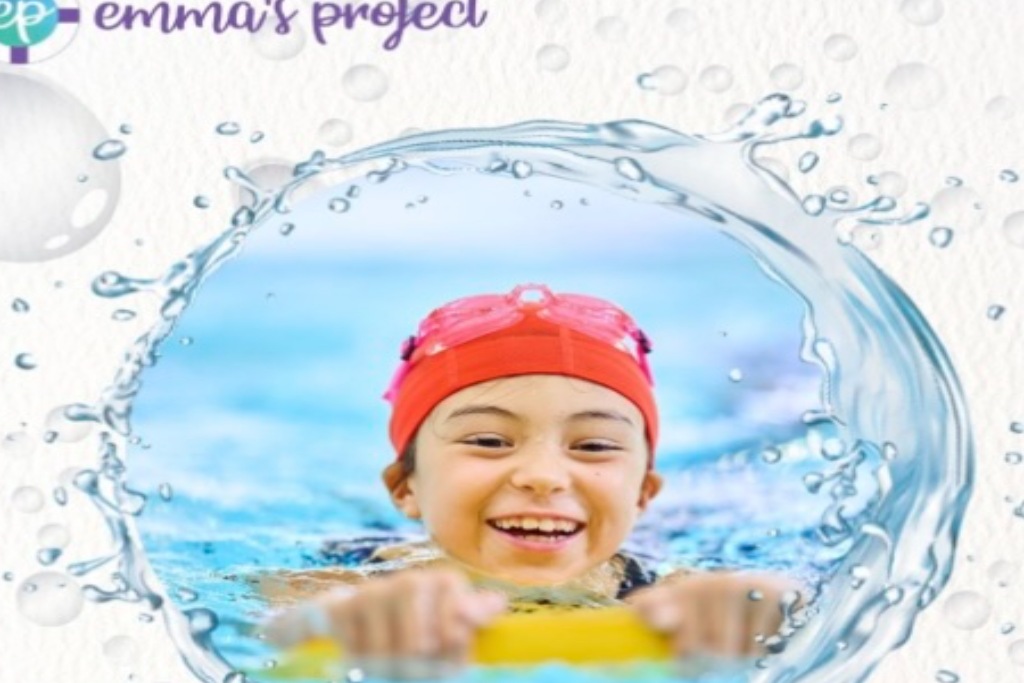
- Teaching a child to swim reduces drowning risk by up to 88%. That single statistic tells the story: water safety education is one of the most life-saving things a family can do.
- Water safety is more than learning to swim — it includes understanding water environments, knowing when conditions are dangerous, respecting pool rules, and always swimming with a buddy.
- Emma’s Project is creating safer communities through water safety education, swim lesson scholarships, and volunteer-driven outreach programs.
- Children who learn water safety skills carry those skills for life — and often teach them to others. One skill really can change everything.
- VIDEO: What Drowning Really Looks Like — Mario Vittone
- WEBSITE: Colin’s Hope Water Safety Resources
Action Items
- Volunteer with Emma’s Project — share safety tips, support events, and empower families in your community. Sign up here.
- Take a water safety quiz with your family and discuss the results together. Colin’s Hope quiz is free and takes just a few minutes.
- Share water safety information on your social media — reach families before swim season starts, not after a tragedy.
- Donate to Emma’s Project to fund swim lesson scholarships for families who need financial assistance. Give today.
- Talk to your children’s school or daycare about water safety education — many programs are free and easy to incorporate into classroom learning.
- TOOL: Find a Learn-to-Swim Provider Near You
Dive Deeper
- The American Red Cross estimates more than 54% of Americans do not have the basic swimming skills needed to be safe in the water. Water safety education is not just for children — adults need these skills too.
- Countries with national swimming education programs embedded in school curricula have measurably lower drowning rates. In the U.S., swim education is not required in most states — advocacy matters.
- Water safety extends beyond pools: open water drownings (lakes, rivers, oceans) account for a large share of deaths among older children and adults. Understanding currents, tides, and water conditions is part of a complete water safety education.
- REPORT: American Red Cross Aquatic Safety Report
- ORGANIZATION: Swim Strong Foundation — free swim lessons for underserved youth