
The Basics
- Drowning is the leading cause of accidental death for children ages 1–4 in the United States.
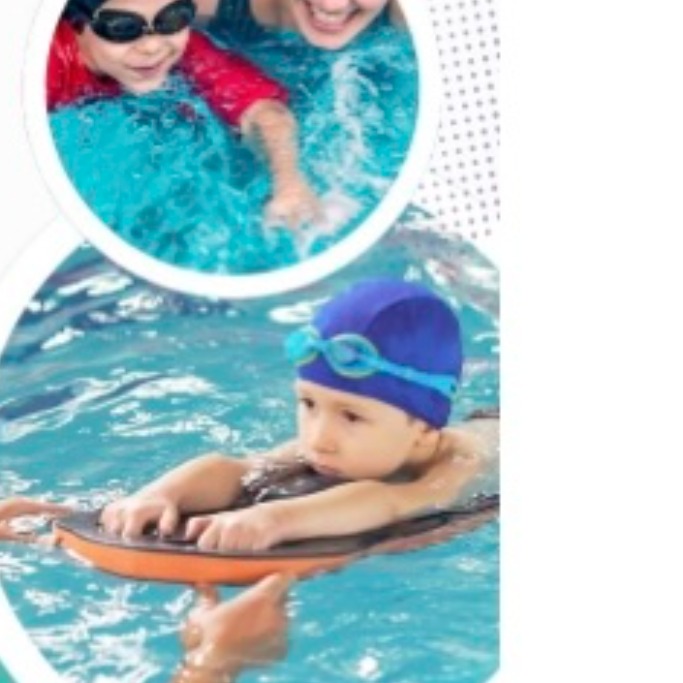
- Formal swimming lessons can reduce the risk of drowning by 88% for children ages 1–4. (Pediatrics & Adolescent Medicine 2009)
- Drowning can happen silently and in seconds — it does not look like what you see in the movies. A drowning child often cannot call for help.
- Most childhood drownings occur in home pools, but bathtubs, buckets, and natural bodies of water are also serious risks.
- VIDEO: What Drowning Really Looks Like (Mario Vittone)
- WEBSITE: CDC Drowning Data & Statistics
Action Items
- Enroll your child — and yourself — in formal swim lessons before the summer swim season begins.
- Install a four-sided fence with a self-closing, self-latching gate around any home pool. This is the single most effective barrier to prevent childhood drowning.
- Never leave a child unattended near any body of water — not even for a moment.
- Designate a Water Guardian: an adult whose sole job is to watch the water when children are swimming.
- Take a CPR course. Knowing infant and child CPR can save a life while emergency services are on the way.
- WEBSITE: Colin’s Hope Water Safety Quiz — take and share it!
Dive Deeper
- Racial and socioeconomic disparities in drowning rates are significant. Black children ages 5–19 drown in swimming pools at rates 5.5 times higher than white children. Addressing swim access and affordability is critical to closing this gap.
- Many community organizations and YMCAs offer subsidized swim lessons for lower-income families. Seek them out and share those resources with your community.
- Flotation devices like arm floaties and inflatable rings are not a substitute for supervision or swim skills — they can give parents a false sense of security.
- REPORT: USA Swimming Foundation: American Swim Report
- ORGANIZATION: Swim Strong Foundation — providing free swim lessons to underserved youth